The Optimal Group Size: Why 7 is Too Many and 12 is Perfect
Author: The Pepur Team
Category: Event Engineering
Reading Time: 4 min
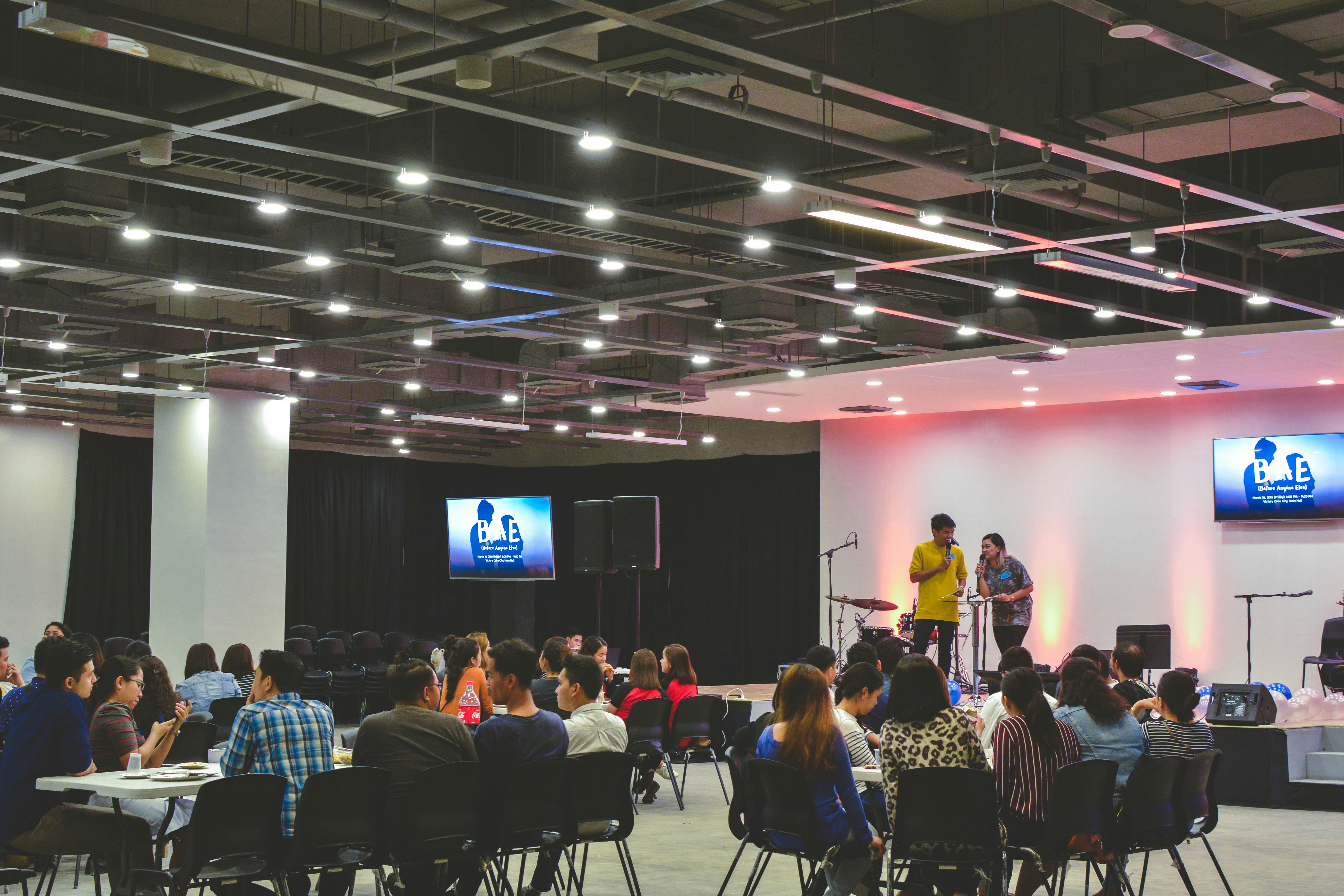
There is a branch of mathematics that nobody studies called "Dinner Table Topology." It deals with the geometric limits of human conversation.
Most hosts ignore this. They invite whoever is available. They end up with 7 people at a round table, and they wonder why the conversation feels strained.
Here is the science of why some numbers work and others are a disaster.
The Rule of 4 (The Single Cell)
A single conversation can sustain a maximum of 4 to 5 participants.
When you have 4 people, everyone can contribute. Eye contact is shared. The topic is unified.
If you add a 5th or 6th person, the circle holds, but the "lag time" between speaking turns increases. People start to tune out.
The Tragedy of 7 (The Awkward Split)
When you hit 7 or 8 people, the Single Cell structure collapses. It is physically impossible for 8 people to maintain one conversation for long.
The group wants to split into two groups of 4.
But at a single round table, or a small living room setup, they often can't.
So you get the "Tennis Match" effect. Two loud people talk across the table. The three people in the middle are trapped, turning their heads back and forth. The two people on the ends are isolated and start checking their phones.
7-9 is the "Uncanny Valley" of party sizes. Avoid it.
The Magic of 12 (The Cell Division)
Once you cross the threshold of 10, and ideally hit 12, something magical happens.
The group must split. It is no longer polite to hold the floor for the whole room.
The group naturally fractures into three clusters of 4, or four clusters of 3.
This is good.
It allows for flow. You can start in Cluster A, get bored, and drift to Cluster B. There is mobility. The room feels "alive" because there is a din of multiple conversations happening at once.
The Venue Coefficient
The number is useless without the right container.
- For 4-6 people: A round table is king. Everyone faces everyone.
- For 7-10 people: A long rectangular table is death. The ends will never speak to each other. You need a standing mixer format. Do not seat them.
- For 12+ people: Broken spaces are better. A kitchen island + a sofa area + a balcony. You want to encourage the micro-clusters to form.
Summary
If you have 7 RSVPs, panic. Invite 3 more people immediately. Or uninvite 2 (morally questionable, but mathematically sound).
Aim for the small intimate cell (4) or the bustling crowd (12+). Do not get stuck in the middle.
A Few Questions You Were Probably Going To Google
Q: What if I have exactly 8 chairs?
A: Hide two of them. Force people to stand or sit on the floor. Standing encourages mingling. Sitting encourages stagnation.
Q: Does background music affect this?
A: Yes. Loud music forces smaller groups. If you can't hear the person across the room, you talk to the person next to you. If the music is too quiet, everyone feels obligated to listen to the loudest person in the room.
Q: How do I calculate food for 12 people?
A: The Pizza Constant. 1 pizza feeds 2.5 adults. Round up. Leftover pizza is a feature, not a bug.